Community Pro Harbor East, Baltimor
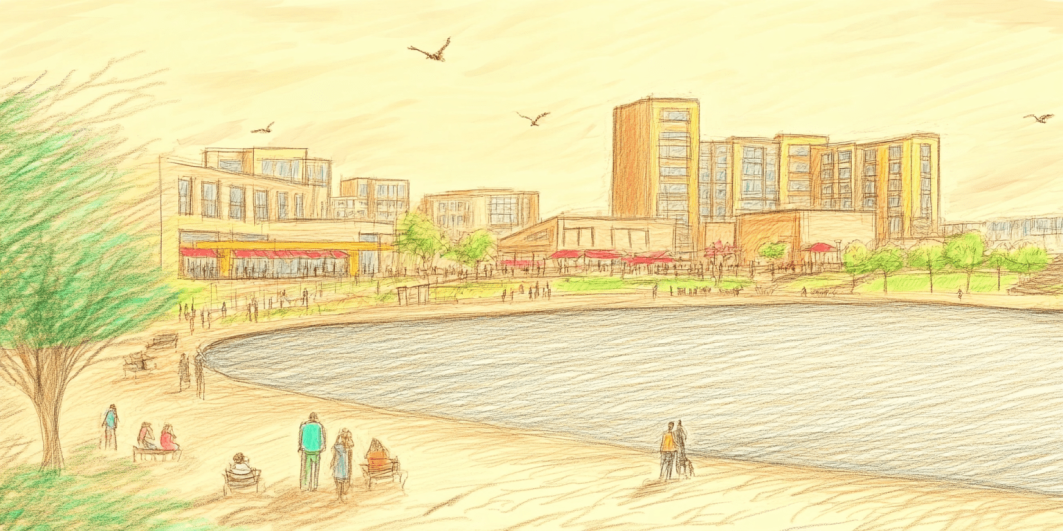
Harbor East represents one of Baltimore's most dramatic urban transformations of the past three decades. Once an industrial zone of warehouses and manufacturing facilities supporting Baltimore's maritime economy, this waterfront district has evolved into a gleaming mixed-use neighborhood featuring luxury apartments, upscale hotels, office towers, and high-end retail. Located between the Inner Harbor and historic Fells Point, Harbor East serves as both a destination for visitors and a home for residents who can afford its premium prices. This profile examines Harbor East through the four dimensions of urban livability: its historical evolution, sustainable habitat, healthy people, and resilient communities.
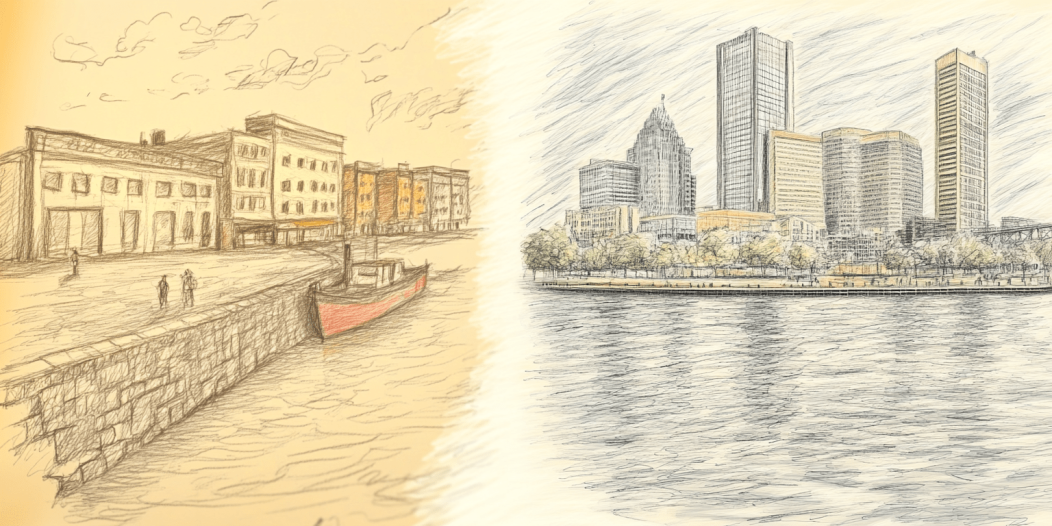
Harbor East's development trajectory reflects broader patterns of post-industrial urban change. From Baltimore's founding in 1729 through much of the 20th century, this area served industrial purposes connected to shipping and manufacturing. As these activities declined in the mid-20th century, the district experienced disinvestment and abandonment. By the 1980s, Harbor East featured vacant warehouses and underutilized land.
The area's transformation began in the 1990s when developer John Paterakis Sr. initiated a redevelopment vision, working with city officials to reimagine the district. The first major projects included the Marriott Waterfront Hotel (2001) and residential buildings, followed by successive waves of office, retail, and residential development. Today, Harbor East hosts luxury condominiums, upscale hotels including the Four Seasons, office buildings housing firms like Morgan Stanley and Exelon, and retail establishments including Whole Foods Market and national luxury brands.
This evolution represents both the promise of urban revitalization—creating economic activity and vibrant places from abandoned areas—and the challenges of ensuring that redevelopment benefits are widely shared.
1: Historical Evolution: From Industry to Luxury
2: Sustainable Habitat: Design and Environment
Harbor East demonstrates both achievements and limitations in creating a sustainable urban habitat:
Environmental Features
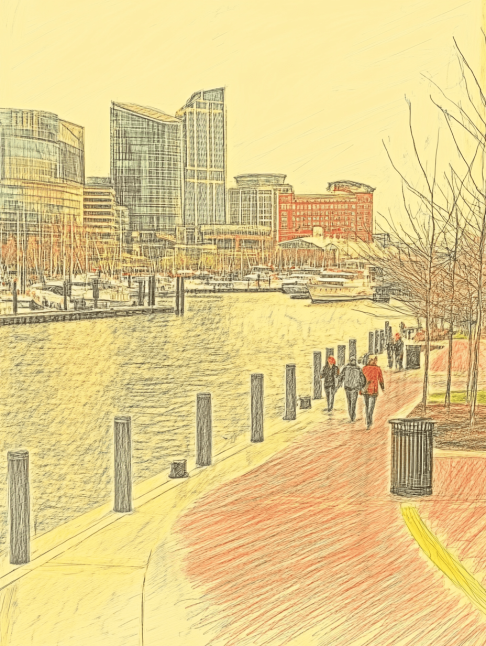
The district's relationship with its natural environment represents a partial improvement over its industrial past. The waterfront promenade provides public access to the harbor, creating recreational opportunities and visual connections to the water that were absent during the industrial era. Limited green space exists in the form of small pocket parks and street trees, though the overall environment remains predominantly hardscape with minimal natural elements.
Harbor East faces significant climate challenges due to its waterfront location. Sea level rise and increased storm intensity threaten this low-lying area, though some newer buildings incorporate flood-resistant design features. The district lacks comprehensive green infrastructure for stormwater management despite its proximity to the harbor.
Built Environment
The physical development of Harbor East reflects contemporary urban design principles with mixed results. The district features a walkable street grid with wide sidewalks, street furniture, and active ground-floor uses that create a pedestrian-friendly environment. Building design predominantly follows contemporary styles with glass facades and mixed-use configurations, creating a distinct architectural identity separate from Baltimore's historic neighborhoods.
Transportation infrastructure includes multiple options: the free Charm City Circulator bus, water taxi service, bikeshare stations, and pedestrian connections to surrounding areas. However, numerous parking garages and premium parking rates indicate continued prioritization of automobile access for affluent visitors and residents.
Assessment
While Harbor East has transformed from a contaminated industrial area to a clean, attractive district, its approach to environmental sustainability remains limited. The district would benefit from expanded green infrastructure, renewable energy systems, and climate resilience measures to address its waterfront vulnerability.
3: Healthy People: Wellbeing and Access
Food Environment
Harbor East's food landscape reflects its upscale positioning. Whole Foods Market provides fresh, high-quality food but at price points inaccessible to many Baltimore residents. The district features numerous restaurants ranging from fast-casual to high-end dining establishments, primarily serving affluent residents and visitors. No affordable grocery options exist within the district, creating a food environment that serves those with means while failing to address broader community nutrition needs.
Health Services and Recreation
While Harbor East itself has limited medical facilities, its proximity to Johns Hopkins Hospital provides convenient access to world-class healthcare for residents. The district features high-end fitness centers with membership fees that restrict access to those with financial means. The waterfront promenade supports physical activity with walking and running paths, representing one of the more accessible health amenities in the area.
Housing Conditions
Housing in Harbor East exemplifies the connection between residential environments and health. Residential buildings offer high-quality construction, excellent amenities, and healthy living environments free from issues like lead paint and poor ventilation that affect many Baltimore neighborhoods. However, with apartments renting for $2,000-5,000+ monthly and condominiums selling for $500,000+, Harbor East housing is inaccessible to most Baltimore residents. This exclusivity limits the health benefits of the district's high-quality housing to a small segment of the population.
Assessment
Harbor East provides excellent health-supporting resources for those who can afford them, while doing little to address the health needs of the broader Baltimore community. The absence of affordable healthy food options, accessible recreation facilities, and attainable housing represents missed opportunities to create a more inclusive health-promoting environment.
4: Resilient Communities
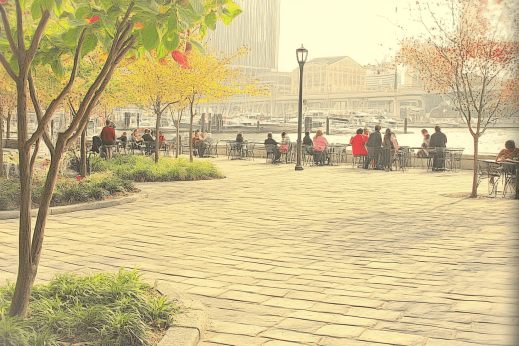
Harbor East lacks traditional community-building institutions like schools, libraries, or community centers. Public spaces facilitate casual interaction but create few opportunities for meaningful community building across socioeconomic boundaries. Observations reveal limited racial and economic diversity despite Baltimore's majority-Black population, suggesting both financial and psychological barriers to inclusive use.
Harbor East successfully transformed a former industrial area into a vibrant district but primarily benefits affluent populations. Opportunities for more inclusive development include:
1- Inclusive Housing: Incorporating affordable units in future development
2- Economic Inclusion: Connecting surrounding community residents to employment opportunities
3- Enhanced Public Space: Designing truly welcoming environments for diverse users
4- Community Governance: Creating transparent decision-making processes with resident input
5- Alternative Economic Models: Exploring approaches like community land trusts to create shared prosperity
By addressing these opportunities, Harbor East could evolve from an exclusive enclave to a more inclusive neighborhood that demonstrates how urban redevelopment can create widely shared benefits.
Pecha Kucha