Professional Pro Becoming an Urban Innovation Leader
This profile documents my development as an aspiring urban innovation leader through the CityLab Catalyst experience at Johns Hopkins Carey Business School. It explores my growth across five learning pathways: becoming my best self, understanding urban challenges, exploring urban innovation strategies, building my innovation toolkit, and growing my professional network.
Through the CityLab experience, I've developed a deeper understanding of my strengths, values, and growth areas as an aspiring urban innovation leader. My immersive fieldwork in Harbor East challenged me to engage with unfamiliar environments and diverse perspectives, strengthening my capacity for empathetic engagement and critical self-reflection.
The experience has enhanced multiple dimensions of my intelligence:
- Analytical intelligence through systematic observation and data analysis
- Emotional intelligence through stakeholder engagement
- Cultural intelligence through exposure to Baltimore's diverse communities
- Embodied intelligence through sensory experiences of urban spaces
I've refined my ethical framework for urban innovation, committing to principles of equity, inclusion, and shared prosperity. The interviews with local leaders like Joseph Poupon of Patisserie Poupon and discussions about community land trusts with Carl Fisher were particularly influential in shaping my understanding of how business models can promote more equitable outcomes.
1: Becoming My Best Self
2: Understanding Urban Challenges
The CityLab experience has deepened my understanding of how global forces affect local urban conditions. In Baltimore specifically, I've observed how deindustrialization, racial segregation, and disinvestment have shaped neighborhood conditions, while new forces of reinvestment create both possibilities and risks.
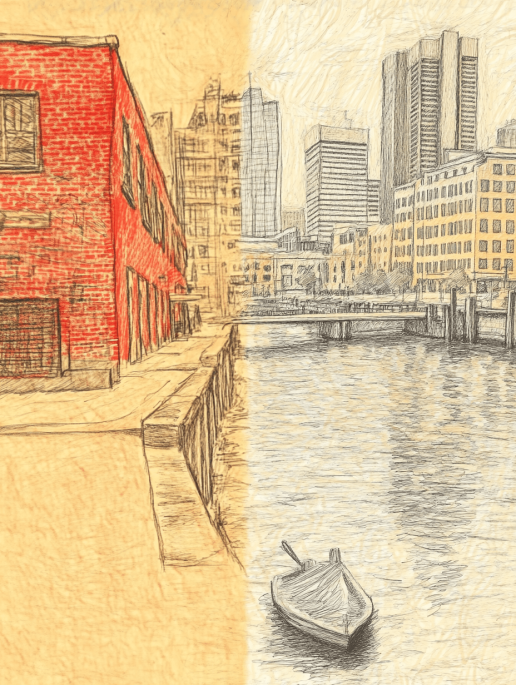
Harbor East exemplifies these dynamics - once an industrial area supporting Baltimore's maritime economy, it has been transformed by global economic shifts that prioritize knowledge work, consumption, and waterfront amenities. Its redevelopment reflects broader patterns occurring across post-industrial cities globally.
I've developed a more nuanced understanding of how urban challenges affect different populations unevenly. The stark contrasts between Harbor East and adjacent neighborhoods illustrate how prosperity and hardship can exist in close proximity, often along lines of historical segregation. The "Black Butterfly" pattern of investment and disinvestment in Baltimore was particularly illuminating in understanding how race has shaped the city's development patterns
3: Exploring Urban Innovation Strategies
Through CityLab, I've been introduced to diverse approaches to addressing urban livability challenges:
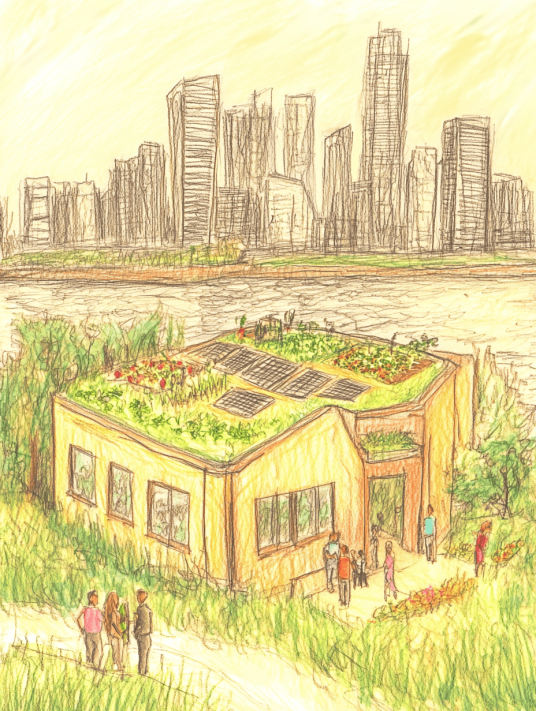
- Sustainable Habitat Strategies: Green infrastructure, adaptive reuse of historic buildings, and climate-resilient design approaches
- Healthy People Strategies: Initiatives like the Green & Healthy Homes Initiative that address social determinants of health
- Resilient Community Strategies: Social infrastructure investments that build community connections and cultural preservation efforts
- Empowered Citizen Strategies: Participatory planning processes and civic technology platforms
- Inclusive Prosperity Strategies: Community wealth building approaches like community land trusts and cooperative business models
I've developed a critical perspective for evaluating these strategies across dimensions of scale, equity impact, sustainability, and replicability. This evaluative framework will help me identify and implement more effective innovation strategies in my future work.
4: Building My Urban Innovation Toolkit
The CityLab experience has equipped me with practical methods for urban innovation work:
- Urban Ethnography: Skills in systematic observation and interpretation of urban environments
- Appreciative Inquiry: Approaches for identifying and building on community assets and strengths
- Asset Mapping: Techniques for identifying community resources and capabilities
- Stakeholder Engagement: Methods for involving diverse stakeholders in urban innovation processes
- Data Analysis: Capabilities for collecting and analyzing data to inform innovation strategies
Through my fieldwork in Harbor East, I've applied these methods in a real-world context - conducting systematic observations of public spaces, mapping community assets, engaging with community members, and analyzing demographic and economic data. These experiences have built my confidence in applying urban innovation methods and understanding their practical challenges.
5: Growing My Urban Innovation Network
The CityLab experience has expanded my network of connections with people and organizations engaged in urban innovation:
- Academic connections with faculty and fellow students at Johns Hopkins
- Professional connections with practitioners in urban planning, development, and design
- Community connections with residents, business owners, and community leaders
- Institutional connections with organizations working on various aspects of urban development
I've developed greater capacity for boundary-spanning leadership that connects diverse stakeholders around shared urban innovation goals. This includes cross-sector collaboration, interdisciplinary integration, and bridging professional expertise with community wisdom - essential capabilities for addressing complex urban challenges that no single sector or discipline can solve alone.
The CityLab experience has transformed my understanding of cities and clarified my aspirations as an urban innovation leader. Moving forward, I plan to:
1. Continue deepening my knowledge of urban development, particularly around inclusive economic models
2. Build practical experience applying my urban innovation toolkit in professional contexts
3. Strengthen my network with the urban innovation community in Baltimore and beyond
4. Develop my boundary-spanning leadership approach through continued reflection and practice
5. Work toward tangible improvements in urban livability, particularly addressing issues of equity and inclusion
Through these steps, I aim to develop into an effective urban innovation leader who can contribute to building more livable, equitable, and sustainable cities.
Pecha Kucha